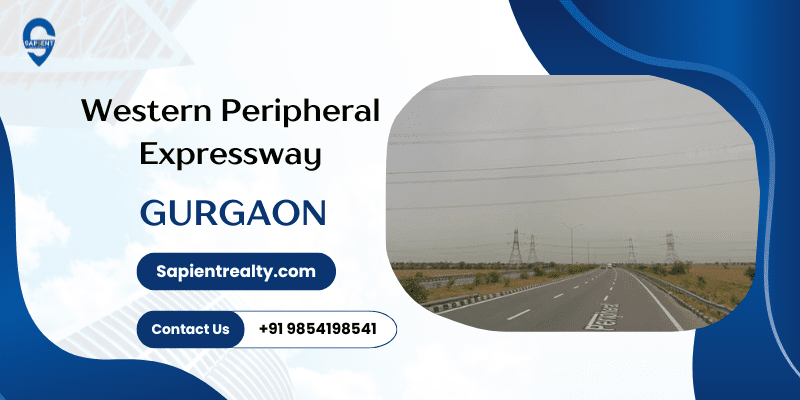
Western Peripheral Expressway
The Western Peripheral Expressway is major new road that’s completely changed the way people get around Delhi NCR. Instead of having to plough your way through the city, drivers can now take a major detour and avoid all that congestion. And that makes for a faster, cleaner, more stress-free drive – at least that’s my experience using the route for intercity drives and logistics visits. I was blown away by the difference the first time I took it, and it’s a bonus that this is not just for people on long trips, but for daily commuters, transport operators and businesses in Haryana and beyond.
What the Western Peripheral Expressway Really Does
So, what does this expressway actually do? Well, for a start it acts as a traffic bypass around Delhi, getting round the old problem of vehicles from all over the place having to drive through crowded city routes. Now they can avoid the whole mess – which means less fuel consumed, less pollution and fewer accidents. And if you’re a regular on the roads anywhere near Delhi, you’ll know just how huge a deal that is. From my perspective, one of the biggest advantages of the expressway is that it makes regional travel feel so much more predictable – no more guessing how long you’ll get held up in traffic.
Route and Connectivity Overview
The expressway runs from Kundli up in the north to Palwal right down at the other end of the corridor, passing through Sonipat, Bahadurgarh, Manesar and Sohna on the way. Crucially, it ties in with some of the major highways around here, so you can get to Chandigarh, Jaipur and Agra with a lot less hassle. If you live anywhere near Gurgaon or Manesar, the expressway gives you a direct route into business and industrial zones. The route was designed so that it doesn’t go through the crowded city bits that would cause jams, making long trips noticeably easier.
Entry and Exit Points That Matter
As you’d expect, access points are right near the major towns and industrial areas. You can get on and off at Kundli, Sonipat, Bahadurgarh, Manesar and Palwal. And because it links up to state highways and all the rest, you can join from further afield without having to do a huge detour – which is what I’ve found especially useful for business travel in my area. The Manesar and Sohna exits in particular have saved me loads of time on my trips.
Travel Time and Distance Benefits
For many people the biggest benefit is the time you save on trips that used to take forever. I’ve got a friend who drives from Delhi to Jaipur and it’s gone from three or four hours to a fraction of the time. That in turn saves fuel and reduces the strain on the environment. For commercial users, it’s even bigger news, as it improves delivery times and helps build customer trust. And for the rest of us, the stress of driving through all the city traffic just melts away.
Toll System and Payment Experience
The expressway uses electronic toll collection. FASTag is required for all vehicles. Toll plazas are spaced to maintain smooth traffic flow. Charges depend on vehicle type and distance covered. From my experience, waiting time is minimal when FASTag is active. This system avoids cash handling and keeps traffic moving. For long-distance drivers, the process feels efficient and well managed compared to older highways.
Safety, Speed, and Road Design
Safety is a core focus of this corridor. Lanes are wide and clearly marked. Speed limits are enforced to maintain control. Emergency services and patrol vehicles are available along the route. Rest areas and signage help drivers stay alert. I have noticed better lighting and fewer sudden turns than on older highways. These design choices reduce accident risk and improve overall driving comfort.
Impact on Daily Commuters
Safety is at the very heart of this corridor. You’ll find wide lanes that are clearly marked as you go, and even speed limits are actually being enforced to keep things under control. Emergency services and patrols are on hand along the route, just in case. Rest stops and decent signage also help drivers stay on their toes. I’ve noticed theyve managed better lighting and fewer blind corners than I’d expect from older highways. All of this has the effect of cutting the risk of accidents right down and generally making for a more comfortable drive.
Influence on Real Estate and Urban Growth
While the expressway is well-known for its role in intercity travel, the locals can benefit from it too. Those who work in places like Manesar can steer clear of the inner-city traffic nightmare. That means less daily slog and a smoother ride- especially during the peak hours. For families living in the surrounding sectors, this road also gives them a lot more freedom on the weekends. Short trips to nearby towns are a cinch now and a lot quicker than they used to be.
Benefits for Business and Logistics
Infrastructure has a way of shaping the way cities grow, and this expressway is no exception. It’s already had a big impact on how developers are choosing to build. Industrial estates, logistics hubs and residential projects are all now being built with locations right on the corridor in mind. In my advisory work, Ive noticed that people are a lot more interested in areas with easy access. People want to be able to get to the expressway quickly while developers just want a steady flow of buyers who are looking to live near good transport links. Improved connectivity is supporting growth in both the residential and commercial areas along the expressway belt.
Environmental and Urban Impact
For manufacturers and logistics companies, time really is money. And this expressway cuts down the time it takes to get things from A to B and also makes route planning a whole lot easier. Warehouses along the corridor can serve multiple cities from just one base. Now e-commerce and transport companies are relying on this route to get their overnight deliveries on time. This efficiency makes their whole supply chain run a lot more smoothly and helps with trade in the region. From a business point of view, this road is not just another bit of infrastructure, it’s a competitive advantage.
What Users Commonly Search About
One of the main goals of the project was to reduce pollution inside Delhi by getting heavy traffic away from the city. And this expressway has really helped by shifting a lot of this traffic to a quieter route. Noise levels are also going down in the crowded city zones because there are fewer heavy vehicles on the road. There are green areas and all the development along the corridor is designed to be sustainable in the long-term. Of course – any road of this size is going to have some environmental impact, but this project has helped to push traffic away from the densest areas of the city.
Practical Tips for First-Time Drivers
Plan your entry point before starting the trip. Ensure FASTag is active to avoid delays. Maintain lane discipline and follow speed limits. Use rest areas during long drives to avoid fatigue. Night driving is safe due to proper lighting, but alertness is essential. Avoid sudden exits. Keep navigation apps updated for real-time guidance. These small steps make the journey smoother and safer.
Future Development Along the Corridor
Authorities continue to plan industrial zones, logistics parks, and residential clusters near the expressway. New link roads will improve access from surrounding towns. This will further reduce pressure on city roads. As development expands, the corridor will become a major economic spine for NCR. For users, this means more services, better connectivity, and stronger regional integration.
Why This Expressway Matters in Everyday Life
For families, it means quicker visits to nearby cities. For professionals, it offers predictable travel to offices and industrial hubs. For businesses, it improves logistics and lowers costs. For the region, it supports balanced growth without overloading Delhi. In real terms, the expressway turns long, stressful drives into manageable journeys. That daily convenience is what truly defines its value.
The Peripheral Expressway is more than a bypass. It is a system that improves mobility, supports business, and reshapes development. From firsthand use and professional observation, its benefits are clear. Faster travel, lower congestion, safer roads, and smarter growth all stem from this single corridor. For anyone moving across NCR, it has become an essential part of modern travel.
Nearby Places Around Western Expressway
| Category | Place / Search Term | What It Is | Why Users Search It | Distance / Connectivity |
| Junction | Kundli Interchange | Northern entry point | Start of the expressway, access to NH-44 | Direct entry from Sonipat |
| Junction | Manesar Interchange | Central access point | Connects to NH-48 and industrial zones | Direct access near IMT Manesar |
| Junction | Palwal Interchange | Southern endpoint | Exit toward Agra and central Haryana | Direct link to NH-19 |
| City | Gurgaon | Major business city | Offices, residential areas, real estate | 10–25 km via Manesar or Sohna |
| City | Sonipat | Industrial and education hub | Factories, universities, housing | 5–10 km from Kundli |
| City | Faridabad | Manufacturing and residential zone | Industry, housing, commuting | 15–30 km via Palwal |
| Industrial Area | IMT Manesar | Manufacturing cluster | Jobs, logistics, warehouses | Direct entry from Manesar junction |
| Industrial Area | Kundli Industrial Area | Industrial estate | Factories and transport access | Near northern interchange |
| Industrial Area | Sohna Industrial Zone | Emerging business belt | Warehousing, future development | 10–15 km via Sohna Road |
| Toll Plaza | Kundli Toll Plaza | Northern toll point | Entry charges, FASTag queries | At starting section |
| Toll Plaza | Manesar Toll Plaza | Mid-route toll | Fee details, FASTag support | On central corridor |
| Toll Plaza | Palwal Toll Plaza | Southern toll | Exit toll information | Near southern endpoint |
| Residential Zone | New Gurgaon Sectors | Housing development area | Rentals, housing projects | 5–15 km from Manesar |
| Residential Zone | Sohna Road Sectors | Mid-range housing belt | Affordable and mid-segment homes | 10–20 km via Sohna link |
| Residential Zone | Greater Faridabad | Residential expansion | Plots, flats, long-term living | 20–30 km via Palwal |
| Landmark | KMP Expressway | Alternate name of corridor | Route maps, navigation | Same road |
| Landmark | NH-48 Crossing | Major highway junction | Delhi–Jaipur travel | Direct connection |
| Landmark | NH-44 Crossing | North India highway link | Delhi–Chandigarh travel | Direct connection |
| Business Hub | Logistics Parks Manesar | Warehousing zone | Transport, storage facilities | Adjacent to Manesar exit |
| Business Hub | Industrial Parks Sonipat | Manufacturing and exports | Jobs and factory access | Near Kundli junction |
| Business Hub | Palwal Industrial Belt | SME and transport corridor | Regional business movement | Near southern interchange |
Frequently Asked Questions
What is the Peripheral Expressway
It is a high-speed bypass designed to let vehicles move around Delhi instead of entering city traffic. This reduces congestion, saves fuel, and makes long-distance travel smoother for both private and commercial vehicles.
Where does the expressway start and end
The route begins near Kundli in the north and ends at Palwal in the south of Haryana. It passes through key areas such as Sonipat, Bahadurgarh, Manesar, and Sohna, connecting several major transport corridors.
Does it connect with major highways
Yes, it links with important national highways including NH-44, NH-48, and NH-19. This allows direct travel toward cities like Chandigarh, Jaipur, and Agra without passing through Delhi.
Is FASTag mandatory on this road
Yes, all vehicles must use FASTag for toll payments. This ensures quicker movement at toll plazas and avoids long queues, making the driving experience more efficient and predictable.
How does it help reduce traffic in Delhi
The expressway diverts heavy vehicles and inter-state traffic away from Delhi’s internal roads. As a result, city congestion decreases, travel time improves, and overall air and noise pollution levels are reduced.
Is the expressway safe for night travel
Yes, the road is well-lit and monitored with regular patrols and emergency services. Clear lane markings, controlled access points, and smooth surfaces make it suitable for safe travel even during late hours.
Can daily commuters use this route
Yes, many professionals use it to reach industrial zones, offices, and business hubs faster. It offers a reliable alternative to crowded urban roads, especially during peak working hours.
Does it benefit business and logistics
Absolutely. The expressway shortens delivery times, lowers fuel consumption, and improves route planning. Logistics firms, manufacturers, and transport operators rely on it for efficient regional movement.
How does it affect nearby development
Areas along the corridor have seen increased interest in industrial parks, warehouses, housing projects, and commercial zones. Better connectivity makes these locations more attractive for long-term investment and occupation.
Is it connected to the Eastern Peripheral Expressway
Yes, both expressways together create a complete traffic ring around Delhi. This allows vehicles to bypass the city from all sides, supporting faster inter-state travel and better regional connectivity.