Delhi Mumbai Expressway Route Will Transform Real Estate
Delhi Mumbai Expressway is changing India’s real estate landscape. This 8 lane expressway is 1,350 km long and connects Delhi to Mumbai through key states. Sapient Realty is observing its impact across multiple micro markets. Infrastructure projects like this bring new opportunities and change the way we develop. Let’s break down how the expressway route is impacting demand, value and growth of real estate along the alignment.
Delhi Mumbai Expressway Route Map
This route starts from DND Flyway in Delhi and ends at Jawaharlal Nehru Port in Mumbai. It passes through Haryana, Rajasthan, Madhya Pradesh, Gujarat and Maharashtra. The expressway passes through major cities like Gurugram, Vadodara, Surat and Jaipur. There are 40 entry exit points. These connect towns and districts directly to main cities making them more accessible. The new route will open up emerging hotspots at these points.

Latest Expressway Status and Updates
The key sections are operational between Delhi, Jaipur and Vadodara. Remaining stretches in Gujarat and Maharashtra are under construction. The latest government update it will be complete soon. Efforts are on to complete the remaining parts quickly. This is a timeline for builders and investors planning new launches.
Speed Limit and Infrastructure
Speed limit on the expressway is approx 80 km/h for vehicles. Advanced safety features and road monitoring ensure smoother travel. EV charging stations and smart toll plazas are placed along the route. The expressway is designed for heavy freight and long distance travel. These features will encourage residential and commercial projects nearby as connectivity improves. For more information, call +91 9854198541 and Click Here
How Entry and Exit Points Will Shape Real Estate Hotspots
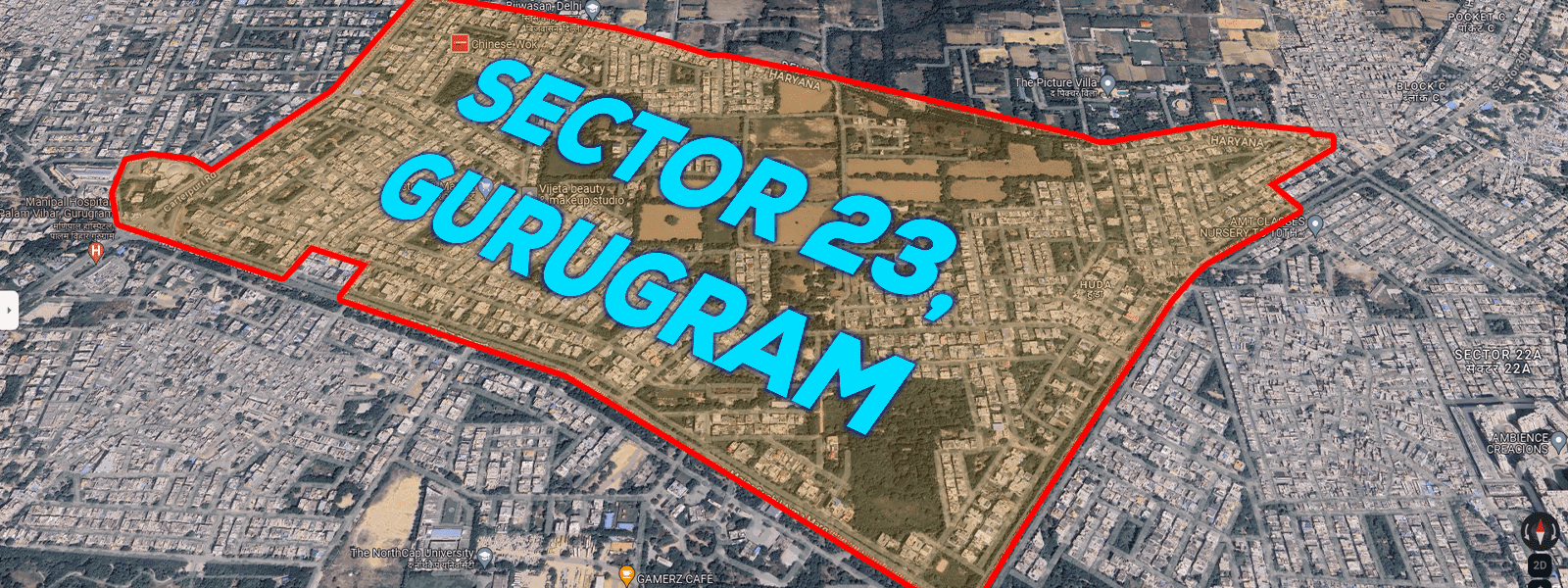
Each entry exit point is a gateway to nearby towns and suburbs. Gurugram, Sohna, Jaipur, Vadodara, Surat and Virar are top examples. Developers are investing in properties near these points. Buyers can reach their workplaces and city centers faster and residential preferences will change significantly. Warehousing and logistics parks are coming up near direct exits and will boost local economy.
Expressway’s Impact on Land Prices and Demand Trends
Land prices around operational sections have seen a big jump. Outlying sectors of Gurugram and Bhiwadi have seen a 15-20% growth in the last one year. Developers are launching projects in towns which were earlier not well connected. The route has generated huge interest in plotted townships, gated communities and commercial complexes. Investors are watching these micro markets for long term growth and returns.
Regional Real Estate Clusters on the Move
The corridor is fostering new real estate clusters. Haryana’s Manesar, Rajasthan’s Kota and Udaipur, and Surat in Gujarat show notable activity. Large township projects, business parks, and modern housing societies are in high demand. Satellite towns along the expressway are now gaining visibility as viable alternatives to crowded metros. This shift also brings fresh opportunities for retail and hospitality ventures.
Completion Date and Its Importance for Real Estate Planning
This is a milestone for both homebuyers and investors. Developers are launching projects in sync with the expressway timeline. Once completed, travel time between Delhi and Mumbai will reduce by over 50%. Timing investments around this date will help buyers get maximum capital appreciation. Entry and exit points on the route will be the main drivers for new project launches.
Economic, Logistics and Employment Impact
Connectivity is driving economic zones along the corridor. Industrial belts, logistics hubs and business parks are sprouting. More jobs are being created in these areas due to growth in transportation and warehousing. Retail and commercial spaces are expanding to cater to increased traffic and business activity. Sapient Realty recommends considering these locations for commercial and rental investments.
Overcoming Challenges and Delays
There have been delays due to land acquisition and construction issues. Gujarat leg was paused for some time but work has resumed. Environmental clearances and weather disruptions also played a role. Authorities are using new technologies and monitoring systems to reduce delays. Buyers and investors should proof read to track real time updates before taking decisions.
Future Prospects for Investors and Homebuyers
The long-term outlook for expressway linked real estate is strong. Locations near entry and exit points will give better value over time. Both residential and commercial sectors are expected to see robust growth. Timely investments can lead to higher rental yields. Both and commercial spaces will be in demand. Sapient Realty advises clients to focus on micro markets near operational expressway stretches for portfolio growth.
Conclusion
Delhi Mumbai Expressway will change the real estate landscape along its stretch. With faster commute time and direct connectivity to major cities, real estate in these areas will evolve. New demand clusters, infrastructure development and business growth are the key highlights of the corridor. For buyers or investors, tracking project status, entry exit points and completion date is a must. Sapient Realty will continue to provide transparent guidance based on market trends.
For more information, call +91 9854198541 and Click Here
Frequently Asked Questions
1. What is the current status of the Delhi Mumbai Expressway?
Significant progress has been made on the Delhi Mumbai Expressway. Sections connecting Delhi to Jaipur and Vadodara are already operational, enhancing connectivity on those stretches. The remaining segments, particularly in Gujarat and Maharashtra, are in final stages of construction. The latest government updates it will be complete soon. While some delays occurred due to land acquisition and environmental approvals, the project is advancing steadily. This phased operation allows real estate developments near completed sections to benefit immediately, while investors elsewhere monitor progress toward full expressway functionality.
2. How does the route map affect real estate investments?
The expressway’s route map, spanning about 1,350 kilometers through key states, strategically connects emerging urban areas with major metros. It features 40 entry and exit points linking towns and cities directly to the highway. This accessibility fosters new demand corridors, making once-remote locations attractive for residential and commercial development. Areas near entry exit points witness faster appreciation due to improved transport logistics and reduced travel times. Real estate investors gain from diversification by targeting these new growth zones on the map, thus capitalizing on the expressway’s ability to redistribute economic activity beyond traditional urban centers.
3. What is the length of the Delhi Mumbai Expressway?
The expressway stretches approximately 1,350 kilometers between Delhi and Mumbai. It is one of India’s longest and widest expressways, designed as an eight-lane corridor expandable to 12 lanes. Traversing five states—Delhi, Haryana, Rajasthan, Madhya Pradesh, Gujarat, and Maharashtra it forms a crucial backbone for north-south connectivity. Its sheer length integrates multiple economic belts, industrial corridors, and residential hubs, transforming the way trade and travel occur. This vast length allows for a broad impact on regional real estate markets situated along the highway’s entire path.
4. How many entries exit points are planned?
The project includes around 40 major entry exit points distributed along its entire route. These access points provide critical connectivity between the expressway and peripheral towns, industrial centers, and urban clusters. Each point opens up development prospects and triggers real estate activity in adjoining areas. For example, entry exits near Gurugram, Jaipur, and Vadodara have already spurred housing and commercial growth. Reliable access encourages developers and homebuyers, resulting in increased land values and new projects, especially in previously underdeveloped zones.
5. Why is the completion date important for buyers?
The completion date as a crucial benchmark for buyers and investors. Fully operational connectivity reduces travel time between Delhi and Mumbai from roughly 24 to 12 hours, which significantly increases the region’s attractiveness. Developers often time their project launches to precede or coincide with the opening, optimizing demand. Buyers benefit by entering markets before property values surge due to enhanced accessibility. Moreover, knowing the completion timeframe helps manage expectations and aligns purchase decisions with infrastructure readiness.
6. What are the expected changes in land prices?
Land prices along the expressway corridor have already seen substantial increases, with some areas rising by 15-20% in the past year. Gurgaon’s sectors near entry points such as Sohna and Manesar exemplify this trend. As connectivity improves, regions previously viewed as peripheral are becoming prime investment destinations. New projects emerge rapidly, including residential townships and logistics parks. This sustained demand growth tends to push both land values and rental rates higher, offering appealing returns for early buyers and developers positioning themselves near the expressway.
7. What is the speed limit on the expressway?
The Delhi Mumbai Expressway allows a maximum speed Approx 80 km/h for passenger vehicles. This high-speed limit exceeds most older highways, enabling faster and safer travel. Such enhanced speed boosts logistics efficiency, reducing transportation costs for goods and commuters. It also facilitates easier long-distance travel for residents living in areas connected to the expressway, making real estate in these locations more attractive. The combination of modern infrastructure and optimized speed limits is designed to meet increasing future traffic demands.
8. How does Sapient Realty view expressway micro-markets?
Sapient Realty considers micro-markets along the Delhi Mumbai Expressway corridor as promising zones for steady appreciation and rental demand. Improved access due to nearby entry and exit points fosters balanced development across residential and commercial sectors. These micro-markets often offer better affordability and growth potential compared to saturated metro areas. Sapient Realty advises clients to identify sectors near operational sections and aligned with future completion phases to maximize returns and leverage early positioning in these evolving markets.
9. Are there new job opportunities due to the expressway?
Yes, the expressway is unlocking significant employment benefits. Enhanced connectivity fosters the creation of industrial zones, logistics parks, and commercial hubs along the route. These developments create direct jobs in construction, transport, warehousing, and retail. Additionally, better access draws multinational companies and manufacturing units, which generate more skilled and unskilled employment. This economic growth stimulates demand for residential real estate as workers and their families seek housing near workplaces.
10. What risks do buyers need to watch for?
Buyers should closely monitor project updates due to occasional construction delays caused by regulatory clearances and environmental concerns. Land acquisition disputes could impact timelines and investment returns. Also, escalating prices driven by hype sometimes outpace real-time infrastructure progress. It is vital to verify legal approvals and land titles before purchase. Partnering with trusted local real estate experts like Sapient Realty helps mitigate risks. Staying informed about expressway segments’ current status and official completion dates is essential for sound investment decisions.