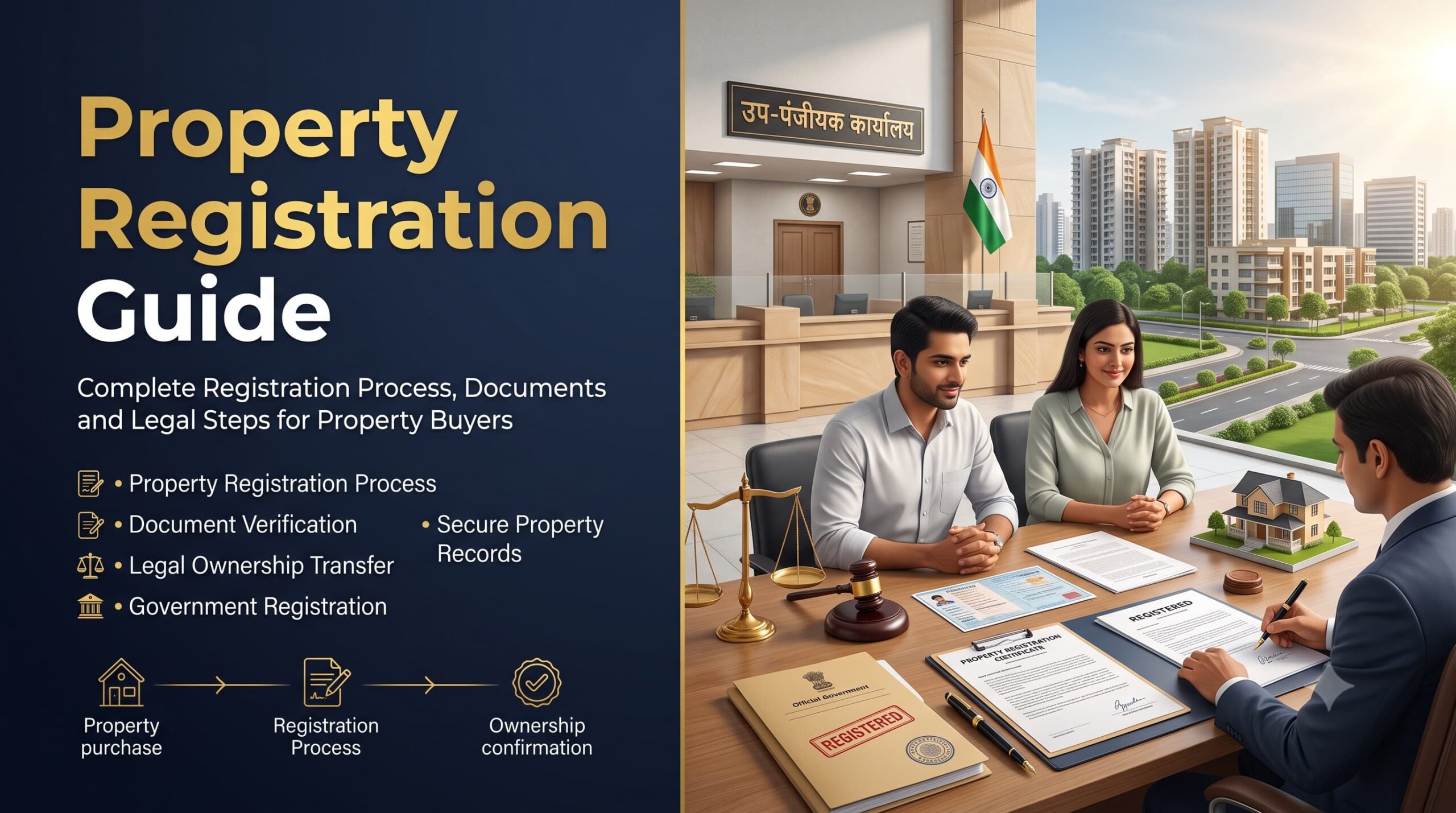
Property Registration Guide
Last Updated: July 11, 2026
Property Registration Guide is definitely one of the best sources for anyone who intends to purchase any property be it residential, commercial or agricultural. The transaction of paying for the property is just one aspect of the whole process since it is incomplete without registering the property with the concerned authority. While many buyers do give due importance to choosing a suitable property, very few consider the matter of registration which can cause problems later.
The more you understand about the process of registration, the easier it becomes for you to get the documents ready and complete all the formalities legally and establish the ownership successfully. This guide is designed to take the reader through the complete process of registration of any property in an easy way. In case you want to know more about the legal issues involved in owning any property, you can refer to the Legal & Government Property Guide.
Why Property Registration Matters More Than Most Buyers Realize
Property registration is not only an administrative activity but also serves to create an official record for the transaction with the government body. After completing the registration process in accordance with the legal requirements, the buyer will have legally recognized ownership of the property that can be confirmed anytime. It provides the buyer with a property which will be easy to transact in future, whether through resale, inheritance, verifying ownership, and other legal activities related to the property. Property registration also aids in keeping things clear and transparent through the official recording of information regarding the ownership with the relevant authority. Those buyers who get their property registered on time do well in the future.
Property Registration Journey at a Glance
Understanding the registration process becomes easier when the entire journey is viewed step by step. Every stage has its own purpose, and completing each one carefully helps reduce the possibility of delays or missing documentation.
| Registration Stage | What Happens |
| Property Verification | Ownership records, legal status, and property details are reviewed before proceeding with the transaction. |
| Document Collection | All required legal and identity documents are gathered and verified for accuracy. |
| Sale Deed Preparation | The Sale Deed is prepared with the agreed property and ownership details. |
| Government Charges | Applicable stamp duty and registration charges are calculated and completed according to the prevailing rules. |
| Registration Appointment | The buyer and seller visit the concerned registration office with the required documents. |
| Identity Verification | The registration authority verifies the identity and supporting records of the parties involved. |
| Property Registration | The ownership transfer is officially recorded in the government registration records. |
| Mutation Process | Ownership information is updated in the relevant local authority records after registration is completed. |
Understanding the Complete Registration Journey
Each step in the process of registration of properties is linked to another, and thus it becomes imperative for one to follow the process in the right manner. Starting off with the verification of documents ensures that the document is accurate and consistent with the law before preparing any document. Proper collection and verification of documents prevents any delays during the process of registration and proper preparation of the Sale Deed ensures a smooth transfer of ownership. Ensuring that all the government formalities have been done prior to going for the process of registration will make the process easier. After registration, ensuring that the records are updated through the process of mutation makes sure that the new ownership record is updated in the government register.
Before Registration: Essential Checks You Should Never Skip
Proper preparation before registering the property can not only help one save time but also help in preventing any kind of legal problems in future. First of all, buyers must confirm whether the seller has the right to sell the property, whether there are complete ownership documents. Just as important is the confirmation of the fact that the description of the property is same as the property which is going to be purchased. Checking the past records of the ownership, whether any liabilities are involved, whether government approval for the transaction is available all helps one be more confident before proceeding with the registration. The information about the individual himself/herself is also important and must be correct otherwise it can cause delay in the registration process.
Documents Required for Property Registration
Proper preparation of all the necessary documentation well in advance goes a long way in making the process smoother and more streamlined. Each of the documents has an importance of its own in terms of confirming the ownership of the property, or the identification of the relevant parties or even for the legal validity of the transaction. The Sale Deed Guide helps understand one of the key documents relating to ownership that is required at the time of registration. Proof of identity and proof of address help in identifying the buyer and the seller. The other documents that must be prepared for the day of registration include PAN, passport size photographs, proof of property ownership, sanctioned plans in case of building properties, latest property tax receipts, and even the No Objection Certificate, if required. Based on the nature of the property and the requirement of the authorities concerned, there could be other additional supporting documents as well.
Step by Step Property Registration Process
Property registration requires a well-defined process of law that enables one to officially record ownership rights once the sale agreement has taken place. Usually, the process starts with the verification of all the necessary documents and ensuring that the data presented by the two individuals is correct. After getting the documents, the government fee involved in the process is determined and paid. The buyer and seller then attend the concerned registration office with the documents and ID proofs on the set date. At the time of the appointment, the registration officer checks and verifies all the submitted documents, verifies the IDs of the persons, and then does all the formalities needed for the registration of the ownership right.
Sometimes, verifying the IDs will also require photographs and signatures of the individuals based on the process applicable. After successful verification of the details, the process gets completed and the registered documents become a part of the records of the property. Once the registration process is completed, it is advisable to follow the Mutation Process Guide so that the ownership details are updated in the relevant government records, completing the overall property ownership process.
What Happens After Property Registration?
The completion of the registration process itself is a significant step towards the creation of the ownership record, but a few additional steps would make this record more robust. First of all, buyers must check whether the information provided in all the documents which have been registered is true, i.e., buyers must check all the information about themselves, their property, and its owners. It is very important for the documents to be kept in paper and digital form because these documents might be needed in the case of any future property transactions or other property-related matters. Buyers must also proceed with the ownership update by using the Mutation Process Guide, which makes sure that all the details of the new owner become recorded in the local authority.
Common Reasons Why Property Registration Gets Delayed
Delays in property registration generally arise due to lack of vital information in the documents prepared during the process and not the process of property registration itself. Incomplete documentation can be a major cause where there is a lack of vital information about identity proofs, ownerships and certificates. Mismatch in information given in different documents about the property is another reason that leads to verification of information before the process of registration. Some other causes of delay include pending approvals, unsettled ownership issues, incomplete payment formality, mistakes made in the Sale Deed.
At times, it may even happen that buyers fail to attend the appointed date as the relevant documents have not been organized beforehand. Careful examination of all the documents and filling up of the Property Verification Checklist before visiting the property registration office would help avoid such delays.
Practical Tips for a Smooth Registration Experience
An organized procedure makes the registration process easier and more comfortable for both the buyer and seller. Buyers need to start looking at all the papers several days prior to the registration procedure rather than right before the registration. All personal details, property details, and ownership details must be double checked to ensure that all details are matching in all the documents. Having both the originals as well as copies of all papers can help save any kind of trouble if further verification becomes necessary at the time of registration. Arriving at the place of registration on time will give you enough time to look through all your papers and do the paperwork in a relaxed way. Once registration is done, all pages of the registered paper should be verified once again.
Property Registration Checklist
Going through some easy-to-remember checklist prior to and after registration will help the buyer remain organized through the whole procedure. Make sure that the property is properly owned as per the law records. Check if the identity proof, photographs, and necessary documentation related to the property are in place. Verify the Sale Deed has been drafted correctly and that all the necessary fees charged by the government have been paid as per the requirements. The details of the appointment for registration should be in place along with all the necessary documentation. Post registration, it is necessary to verify the record of registration, keep all the necessary documentation safe and start updating the ownership details using mutation wherever required.
Summary
Registration of the property is one of the most significant legal processes in the case of any property transaction, as it ensures official recognition of ownership of the property and helps in maintaining a government record for the transaction of ownership. Proper understanding of the registration process, preparation of necessary documents, completion of all legal formalities and maintenance of important documents after registration all help in making the purchase of the property a secure one. People who go through this process are better equipped to handle the future requirements regarding ownership and resale of property, among others. To gain further insight into the legal process involved in purchasing property, readers may refer to Legal & Government Property Guide, Sale Deed Guide, Property Documentation Guide, and Stamp Duty and Registration Charges in Haryana.
Frequently Asked Questions
What is property registration?
Property registration is the legal process of recording the ownership transfer of a property with the concerned government authority. It provides official recognition of the buyer’s ownership.
Why is property registration important?
Property registration creates an official ownership record, strengthens legal rights, and supports future property transactions such as resale, inheritance, and financing.
What documents are generally required for property registration?
The required documents usually include the Sale Deed, identity proof, address proof, PAN, passport-size photographs, property ownership documents, property tax receipts, approved building plans wherever applicable, and other supporting documents required by the registration authority.
Can a property be registered without a Sale Deed?
The Sale Deed is one of the primary documents used for transferring ownership during a property transaction. Buyers should ensure that all required legal documents are prepared before registration.
How long does the property registration process usually take?
The time required may vary depending on the property transaction, document verification, and the procedures followed by the concerned registration authority.
What should I do after property registration?
After registration, buyers should verify the registered documents, preserve them safely, and update the ownership details through the mutation process wherever applicable.
Can someone else complete property registration on my behalf?
In certain situations, property registration may be completed through an authorised representative if permitted under the applicable legal provisions and supported by the required authorisation documents.
What is the mutation process after property registration?
Mutation is the process of updating the new owner’s details in the records maintained by the relevant local authority after the property has been registered.
How can I avoid delays during property registration?
Preparing complete documents, verifying ownership records, checking personal information carefully, and completing the required legal formalities before the appointment can help avoid unnecessary delays.
Where can I learn more about property registration and legal documentation? You can explore the Legal & Government Property Guide, Property Documentation Guide, Sale Deed Guide, and Stamp Duty and Registration Charges in Haryana to understand the complete legal process involved in buying property.