Property NOC Guide
The Property NOC Guide provides assistance in understanding one of the most crucial documents used during transfer of property, legal validation, and various types of approvals. While most of the people become aware of the existence of a No Objection Certificate only when they are about to undergo the process, understanding its significance from an early stage could help save a lot of time and avoid any complications and misunderstandings. Each case is unique, and the issuer of the document could vary depending on the requirement. The knowledge about its requirements, the issuer, and the effect on the whole process would help individuals make better decisions. The guide provides practical information about the subject, making it easier for you to understand its significance before moving further.
What is a No Objection Certificate
A No Objection Certificate, abbreviated as NOC, is an official document that signifies that the issuing authority has no objection to the specified action or request made by the applicant. An NOC is considered a form of written approval and helps in ensuring that there are no objections pending by the authority that grants the permission. The certificate could be issued by the concerned authority according to the circumstances in which it is required, such as a government department, housing society, bank, developer, development authority, or any other relevant organization. According to each case’s needs, the content of the NOC may differ, however, the aim of the certificate would remain the same in all cases.
Why a Property NOC is Important
Property NOC has a very important function of making sure that all the actions related to property ownership proceed smoothly without any unnecessary legal or administrative problems. NOC is used as an additional proof that the request has been evaluated by the relevant authority and there is no objection towards the suggested course of action. The buyers view NOC as an extra assurance since it proves that some matters have already been taken care of. The sellers can benefit from it as well since the presentation of all necessary certificates helps establish trust and fasten the process of document verification. There might be a case where financial organizations or governmental agencies ask for NOC prior to issuing any loans, registrations or property transfers.
Situations Where a Property NOC May Be Required
A Property NOC is not required in every situation, but several common scenarios may call for one depending on local rules and the authority involved. Understanding these situations in advance helps people prepare the necessary documents before starting the process.
- Buying or selling a residential or commercial property.
- Transferring ownership through inheritance or family settlement.
- Applying for a home loan or loan against property.
- Selling a property that is under an existing loan.
- Redevelopment or reconstruction of a building.
- Seeking approvals from a housing society or residents’ association.
- Applying for utility-related permissions connected to ownership.
- Completing registration or mutation procedures where applicable.
- Transferring leasehold rights subject to authority approval.
- Complying with specific requirements of local development authorities.
Different Types of Property NOC
Various bodies grant various forms of Property NOC based on the need for the transaction. The differences in these certificates are important for the applicant to know in order to avoid making a mistake while applying for a NOC. A NOC from the housing society is used to verify that there are no objections with regards to the transfer of property within the housing society. On the other hand, a NOC from the bank implies that the outstanding loan has been cleared or that the bank agrees to the specific transaction under certain conditions. NOC from the builder could be used to certify fulfillment of contractual obligations before the property transfer. Similarly, NOC from the development authority could be granted for various land use and transfer permissions.
Who Issues a Property NOC
The issuing agency will fully depend on the reason why the certificate has to be issued. There are instances where the NOC is issued by a housing society if it is confirmed that the maintenance fees or any other internal requirement have been fulfilled. If it is a loan then the bank itself will issue the certificate if all the conditions are fulfilled or once it approves the process. Builders can issue the NOC before handing over the ownership if the conditions set are fulfilled. Various government departments and development authorities are authorized to issue NOCs in areas that come under their jurisdiction. Multiple agencies can be involved at the same time in one process. It is important to identify all the approvals required in a particular case rather than considering that one NOC is enough for everything.
Documents Commonly Required for a Property NOC
The documents required for NOC vary depending on the issuing authority and the purpose of the application. Even so, several documents are commonly requested during the verification process to establish identity, ownership, and compliance with applicable requirements.
| Document | Purpose |
| Identity proof | Confirms the applicant’s identity |
| Address proof | Verifies the current address |
| Ownership documents | Establishes legal ownership |
| Previous sale documents | Supports ownership history where applicable |
| Loan-related documents | Required if the property is financed |
| Application form | Official request for issuing the NOC |
| Recent photographs | Identification purposes if required |
| Maintenance clearance | Commonly requested by housing societies |
| Supporting declarations | Required in specific cases depending on the authority |
Applicants should always verify the latest document requirements with the concerned authority before submitting their application because additional documents may be requested depending on individual circumstances.
Common Mistakes to Avoid While Applying
There are several reasons why there might be a delay due to the applicant’s failure to note very basic things while applying. Filing incomplete papers, giving out-of-date information, or applying to the wrong authority is another way of making the application take more time than needed. There are those who believe that just one NOC is enough for all purposes, which may not be correct because certificates are issued by different authorities for different purposes. In addition, if you have some outstanding dues that you have not cleared before filing your application, then that will cause a problem. Finally, you can also get into trouble if you wait until the last minute to find out if an NOC is required.
How to Apply for NOC
The application process for NOC will become much simpler once an understanding of the process is achieved before submitting any documents. Though the process might vary from one issuing authority to another, it still follows a similar pattern in general. The very first thing to do while applying for a Property NOC is to identify the right authority for issuing the same depending on the purpose of issuance, such as a housing society, bank, builders or even the government departments. Once the authority has been correctly identified by the applicant, then he/she needs to gather all necessary documents, fill up the application form, and make sure that the details are consistent with the documents. Once the application has been successfully submitted, the authority examines it, verifies the related documents and conducts other verifications if required. Once all the details are verified, the NOC is issued to the applicant.
Step-by-Step Process to Obtain a Property NOC
Following a structured process helps avoid unnecessary delays and repeated document submissions. Although individual authorities may have additional requirements, the general process usually includes the following steps:
- Identify the authority responsible for issuing the NOC.
- Confirm whether an NOC is actually required for your specific purpose.
- Collect all supporting documents requested by the issuing authority.
- Fill out the application form carefully and review every detail before submission.
- Submit the application along with the required documents.
- Respond promptly if the authority requests additional clarification or documents.
- Wait for document verification and internal approval.
- Collect the issued NOC or download it if digital issuance is available.
- Keep both physical and digital copies safely for future use.
Completing every step carefully reduces the chances of rejection and helps the verification process move forward more efficiently.
Validity of a Property NOC
A NOC is not always a forever certificate due to the fact that its validity depends upon the reason behind the issuance of the certificate and the rules of the authority that issues it. While some certificates are meant for one transaction only, others are valid until some process gets completed. In case there is any delay after the issuance of the certificate, the relevant authority may ask the applicant to get a new NOC or new documents to move ahead with the matter. This is why the applicants need to take note of the validity conditions mentioned in the certificate and not create any delay after obtaining the certificate.
Reasons Why NOC Application May Be Rejected
A Property NOC application may be rejected when the issuing authority identifies issues that prevent approval. Most of these problems can be avoided with proper preparation and careful document verification before submission.
| Common Reason | How to Avoid It |
| Incomplete application form | Review every field before submission |
| Missing supporting documents | Prepare a complete document checklist |
| Incorrect ownership details | Verify all records carefully |
| Pending financial obligations | Clear outstanding dues before applying |
| Mismatch in identity documents | Ensure all records contain consistent information |
| Application submitted to the wrong authority | Confirm the issuing authority in advance |
| Unverified signatures or declarations | Complete all required formalities properly |
| Outdated supporting documents | Submit the latest available documents where required |
Understanding these common reasons helps applicants prepare a stronger application and minimizes the likelihood of avoidable delays.
Tips for Buyers and Sellers
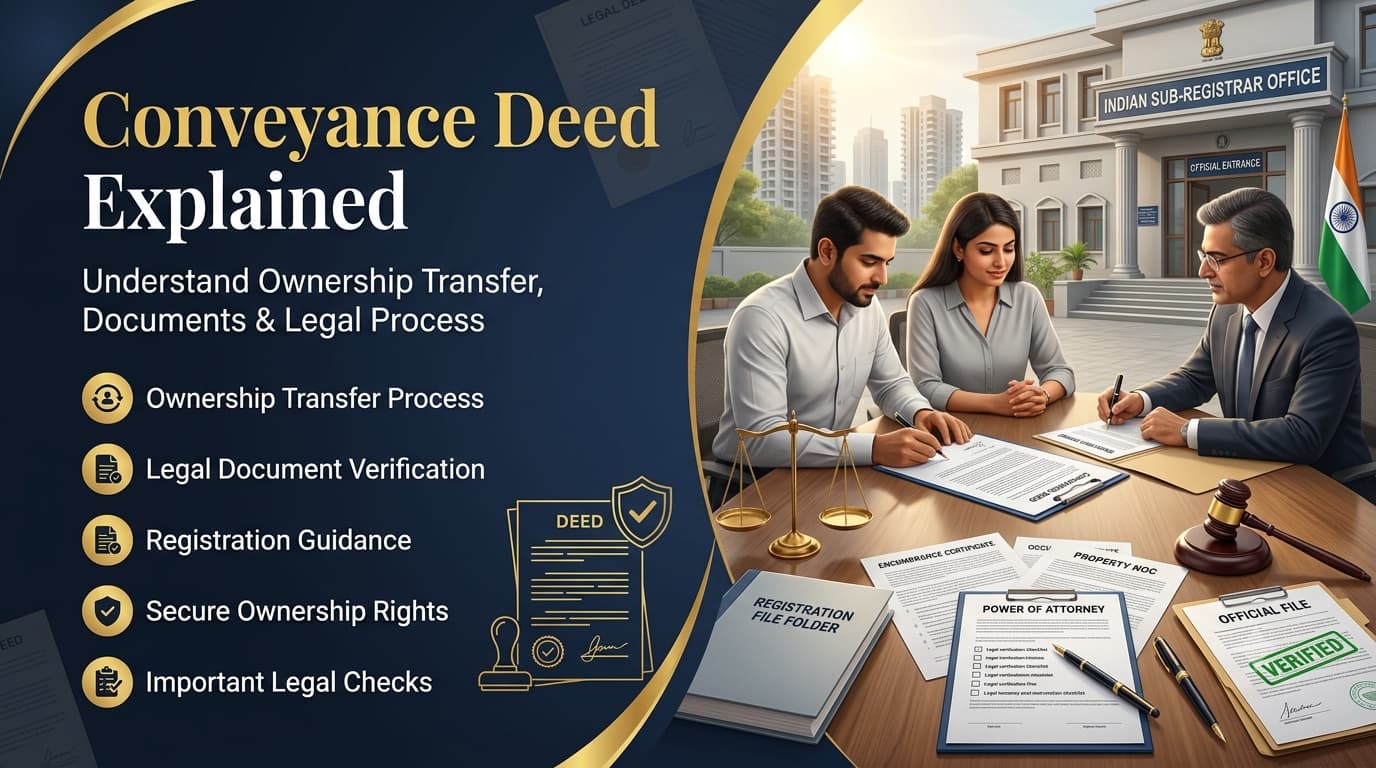
In both the situations, the process can be made easier through proper planning which would help one stay away from any legal issues. The buyer needs to make sure that all the necessary approvals have been made through the property NOC Guide. On the other hand, the seller needs to make sure that all documents are properly verified. Before the legal process is undertaken, it is imperative for the buyer and seller to check the clauses in the Builder Buyer Agreement and understand the transfer of ownership through the Conveyance Deed. It is also very important for the buyers to verify the records of ownership of the property through the Encumbrance Certificate Guide and also confirm that the required completion approvals have been made through the Occupancy Certificate Guide. In case there is any authorized person involved in the transaction, then he needs to understand the Power of Attorney for property guide in order to know the legal scope of his activities. In case the transaction involves any inherited assets, then it becomes very important to verify the rights of the heir through the Will & Succession Certificate Guide.
Frequently Asked Questions
What is a Property NOC and why is it important?
A Property NOC is an official document issued by a concerned authority stating that it has no objection to a specific transaction or activity. It helps improve transparency, supports document verification, and reduces the chances of future disputes.
Is a Property NOC mandatory for every property transaction?
No. The requirement depends on the type of transaction, the applicable regulations, and the authority involved. Some ownership transfers require one or more NOCs, while others may not require any.
Who can issue a Property No Objection Certificate?
A NOC may be issued by a housing society, financial institution, Builder Buyer Agreement, development authority, government department, or any other organization responsible for granting the relevant approval.
Which documents are usually required for a Property NOC application?
Most authorities commonly ask for identity proof, address proof, ownership documents, application forms, supporting declarations, and other records relevant to the purpose of the application. Additional documents may also be requested depending on the specific case.
Can I apply for a Property NOC online?
Many authorities now provide online application facilities, while others continue to accept offline applications. The available method depends on the issuing authority and its administrative process.
What happens if a Property NOC contains incorrect information?
Any incorrect details should be corrected immediately by contacting the issuing authority. Using an inaccurate certificate during registration or ownership transfer may lead to delays or additional verification.
Does a Property NOC prove legal ownership?
No. A Property NOC only confirms that the issuing authority has no objection to a particular action. Legal ownership is established through the relevant ownership documents and statutory records.
Can a Property NOC expire?
Yes. Some No Objection Certificates are issued for a specific purpose or remain valid only until a particular process is completed. Applicants should always review the conditions mentioned in the certificate.
How can I verify whether a Property NOC is genuine?
Check the issuing authority, verify the details mentioned in the certificate, ensure that the information matches the supporting documents, and confirm that the NOC relates to the intended transaction. If there is any doubt, seek confirmation from the issuing authority before proceeding.
How can Sapient Realty help with understanding the Property NOC process?
Sapient Realty provides easy-to-understand guides, practical explanations, and helpful information that enables buyers, sellers, and owners to understand documentation requirements and make informed decisions with greater confidence.