Property Due Diligence Checklist
Purchasing property in Gurgaon appears to be an interesting affair, and it surely is. The presence of favorable locations, rapid development, luxurious residential complexes, corporate offices, expressway connectivity, metro expansion, commercial developments Gurgaon seems to have everything that a prospective buyer would want. However, there is one crucial step that many buyers tend to miss out on in the initial stages. Due Diligence.
This Could Prove to Be Costly in The Coming Days.
Be it a flat, a builder floor, a residential plot, a commercial shop, a farmhouse land, an agricultural plot, or a resale property, one must not rely solely on the information provided by the seller, the sales agent, or the brochure. Purchasing property in Gurgaon calls for the proper verification of the land records, ownership documentation, clearances, tax payments, RERA compliance, mutation, zoning regulations, and litigation, among others.
The exterior of a property may seem appealing, but the truth lies in the documentation process. At Sapient Realty, we advise every prospective buyer to confirm the property before making any monetary commitments.
Why Due Diligence Is Important in Gurgaon
There is no one type of property in Gurgaon that requires the same documentation. From luxury apartments, gated societies, builder floors, plotted colonies, DDJAY plots, commercial shops, agriculture, Lal Dora plots, licensed colonies, resale flats, to under-construction projects, each property type requires different documentation.
For instance, acquiring a flat in a RERA registered property will be quite different from buying agricultural land close to Sohna or Manesar. Acquiring a flat in a licensed colony will be entirely different from purchasing a resale flat in an old society. Getting a commercial shop in a shopping mall will require a different set of verification.
That Is Why It is Crucial to Conduct Proper Due Diligence.
As a buyer, you need to know if the owner of the property you want to buy owns it, whether there are any dues pending, whether it has been acquired from RERA, if there is any pending court case on it, and if the property is transferable according to law.
Buyers sometimes make payments by paying token money because of the pressure exerted by the seller that says “Sir, deal kal tak close karni hai.” This pressure is quite prevalent in property transactions in Gurgaon. However, such a practice may cost you the leverage to bargain and even the money itself.
Checklist for Flat, Builder Floor, Plot, Agricultural Land and Commercial Property
The checklist varies depending upon the nature of the property. No single checklist will be applicable in all cases. Let us discuss practically. In case of purchase of flat in Gurgaon, you need to verify documents such as sale deed, allotment letter, builder buyer agreement, possession letter, occupation certificate, completion certificate, maintenance dues, property tax, RERA compliance if any, and rules regarding transfer within society if any. In case of resale, check if there is any loan on the property with seller.
In case of builder floor and other similar types of properties in various localities such as DLF phase, Sushant Lok, South City, Palam Vihar, sector 57, 46 and 45 or any licensed colonies, you need to check ownership of plot, collaboration agreement in case of involvement of builder, building plan approval, floor-wise registration if any, mutation status, property tax, and availability of water and electricity. The last point usually gets overlooked and then petty fights crop up from there.
In case of purchase of plot, title chain, sale deed, layout plan clearance, licence details in case of a licensed colony, demarcation, road width, possession, encumbrance, and whether the plot is free from acquisition/sector road alignment will need to be checked.
In case of purchase of agricultural land, then Jamabandi, Khasra, Khewat, Khatoni, mutation, land use, access road, possession, partition, consent of the co-sharers, and CLU feasibility come into play. There are many plots of lands in the form of villages in Gurgaon, whose ownership is spread amongst many family members. Hence, it becomes essential to know the exact share of the seller.
In case of purchasing commercial property, then title deed, commercial use of the property, zoning, occupancy certificate, fire approval in case of need, lease details, dues, GST/Rental payment history in case of leasing, and whether the property falls under a commercial scheme approved by the authorities are necessary to verify. Notice how simple the concept is. First determine the type of property, then document verification based on the property.
Jamabandi Nakal Haryana: What Buyers Should Check
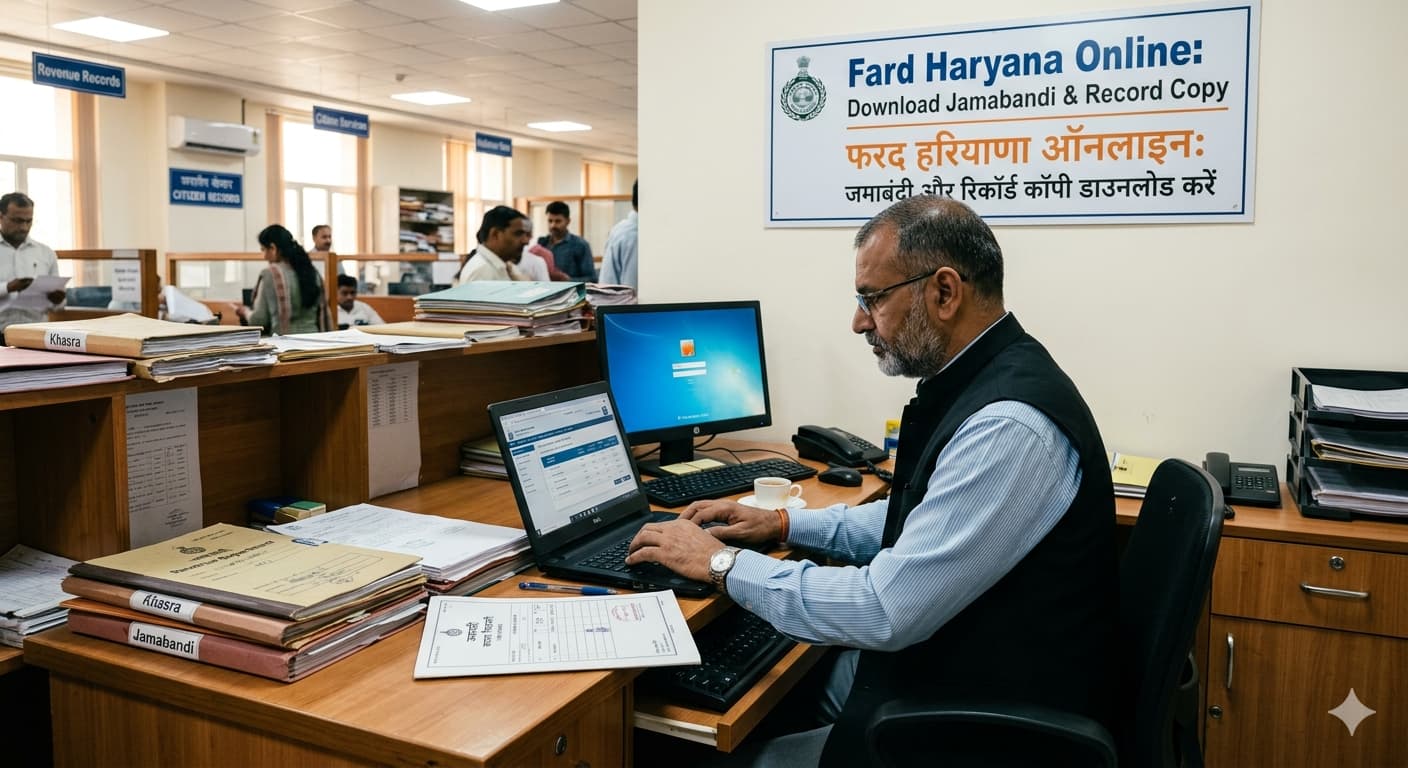
Jamabandi Nakal is probably the most important document if you are purchasing land in Haryana. In layman’s terms, Jamabandi refers to the ownership record of the land in question. If you are purchasing land, farmhouse land, village land, agriculture land, or anything that has documentation of land attached to it, Jamabandi cannot be ignored.
Most of the old villages in Gurgaon are already urbanized but still retain the revenue details of Khasra, Khewat, and Khatoni. Therefore, if the seller claims, “This is my land,” Jamabandi will verify whether it really belongs to him.
In the Jamabandi, one should make sure to cross-check the owner’s name, his father’s name, share of land, Khewat number, Khatoni number, Khasra number, total area of the land, type of land, and possession of the land. It will also verify whether the seller owns only a fraction of the land but is selling more than his share of land.
It will also be helpful to find out whether the latest Jamabandi is available or if the person presenting Jamabandi to you is giving you a previous one. Old Jamabandis may not show any recent information regarding any sale, partition, mutation, or inheritance.
The other most important thing is the matching part. The Jamabandi must tally with the selling party’s identification and title deeds. The slight difference can be the misspellings or absence of middle name or surname or any case of inheritance. It might appear to be trivial, but it causes problems at a later stage.
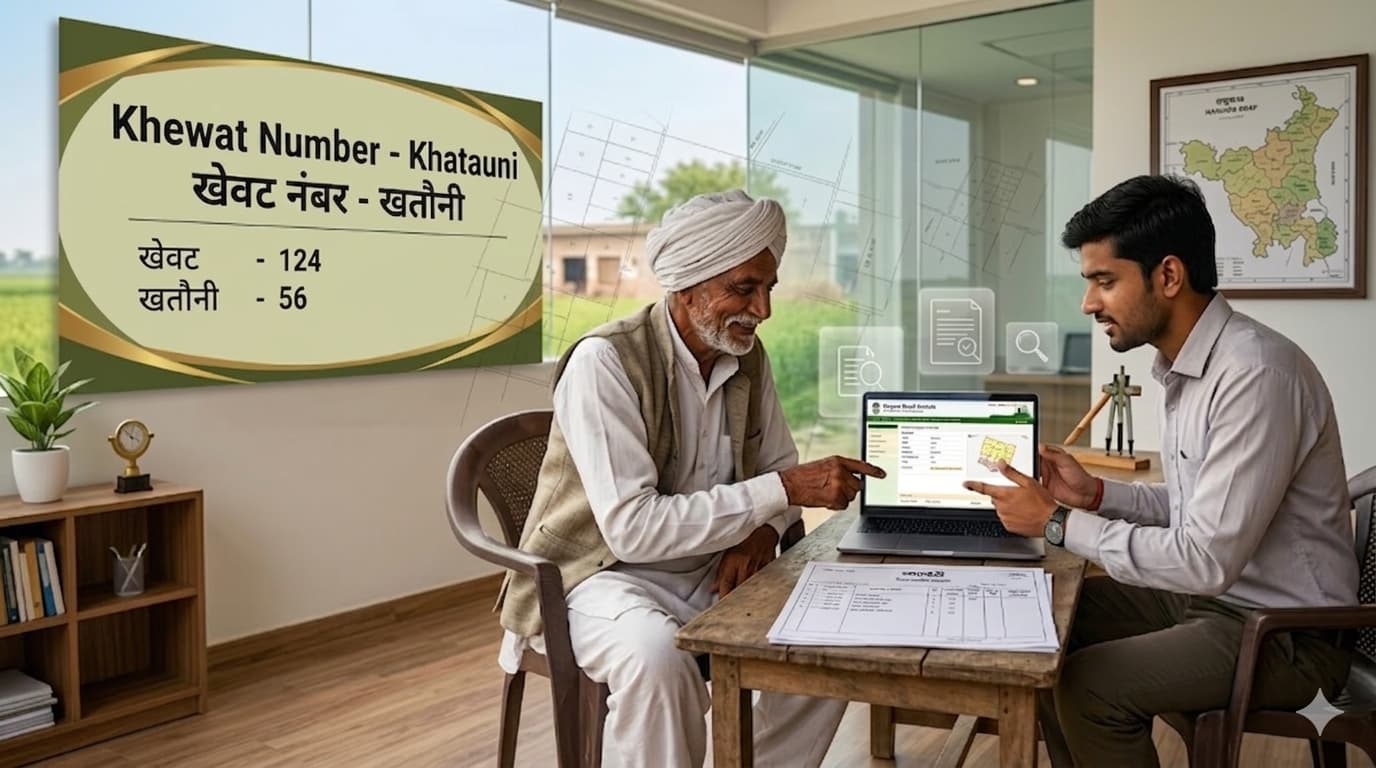
Khasra, Khewat and Khatoni Meaning
Often buyers hear about such terms at the time of buying land. They sound very technical, although these terms are not complicated at all.
Khasra Number can be described as an identity number of a particular land parcel. It can be considered as a survey number of the piece of land. Using it, you can find the location of a particular land plot within a village revenue estate. If somebody sells land in some particular village, then with the help of the Khasra number you will find what parcel he/she sells.
Khewat number is associated with the owner(s). There can be one owner in one Khewat or more than one. So, when checking whether somebody is selling his/her part of land, simply checking the owner’s name is not sufficient. You should check how many shares the owner possesses.
Khatoni number is associated with cultivation or possession. With its help, you will find out which owners are registered as cultivating/possessing that land plot. In some cases, checking ownership details becomes more complicated.
For instance, if the seller claims that he possesses land in a village in Gurgaon, then do not limit yourself to only verifying the Khasra number. Rather, look for the combination of Khewat, Khatoni, share, mutation, possession, and title chain.
This is a mistake that many people fall into. They find the name of the seller on some paper and think that all is well. But in reality, when dealing with land, cases of partial ownership, co-ownership, familial disputes, and undivided lands are common.
Mutation Status: Why It Matters
Mutation, alternatively known as Intkal in many languages, is the act by which an update of ownership is entered into the revenue records through sale, succession, gift, partition, or decree of a court. Sale deeds are proof of the transaction having taken place, while mutation is proof of the entry of the same into government revenue records. Both are crucial.
In such an instance where an individual had purchased a plot of land but did not complete its mutation, the name of the previous owner could still exist in the revenue records. Consequently, if he were to sell his plot of land to you in future, the history would lack authenticity, thus creating problems later on in verification.
Always verify previous mutations before purchasing any lands or village properties in Gurgaon, especially if there have been many transactions previously. Mutation becomes extremely significant for inherited land too. In case the land was passed on from father to his sons or by way of family settlements, it is necessary to find out whether all legal heirs are mentioned or any heir might have a problem with that in the future.
For resale property too, there may arise the issue of mutation or municipal mutation of property. The property needs to be mutated in case of urban property for the municipal or authority records. This will help in faster proceedings in the future regarding taxes or sale.
Sale Deed, Chain of Title, Registry and Encumbrance Check
The Sale Deed is an essential document when purchasing a property, containing information regarding the seller of the property, the purchaser, the property sold, the consideration, and the terms of the sale.
However, the Sale Deed alone is insufficient. The Chain of Title must also be examined. This refers to the documentation detailing the transfer of ownership from one individual to another through time. In other words, if the current seller acquired from another person, who in turn acquired from another, there will be evidence of it in the chain.
The Chain of Title for Gurgaon Property may comprise the Sale Deed, Gift Deed, Release Deed, Partition Deed, Collaboration Agreement, Allotment Letter, Conveyance Deed, Builder-Buyer Agreement, Transfer Letter, Possession Letter, or Court Order, depending on the type of property. Also check the mortgage status of the property. There is usually some form of home loan active for resale properties. It is possible to buy a mortgaged property, but the loan clearance procedure needs to be managed effectively. You need to obtain information on loan balance, NOC from the bank, loan clearance, and clearance of original documents.
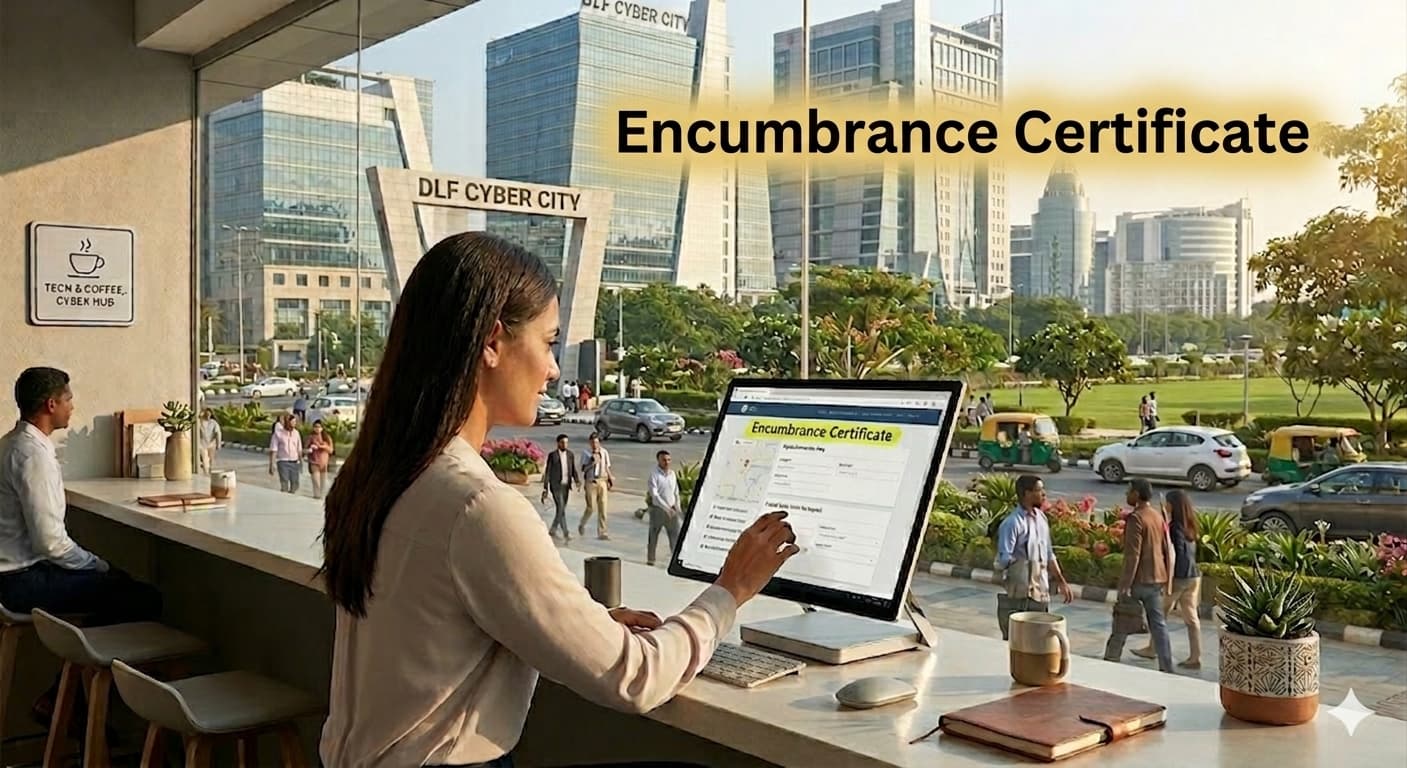
Encumbrance search helps in understanding the existence of any mortgages, liens, claims, or other transactions relating to the property. This step cannot be neglected by buyers, especially when the transaction amount is huge.
Lastly, the registry information needs to match the property details. Compare property dimensions, boundary details, floor numbers, apartment numbers, tower numbers, plot numbers, khasra numbers, and locality details. At times, due to typographical errors or description mismatch, complications may arise in the future.
CLU and Zoning Land Use Certificate
CLU stands for Change of Land Use. In simpler terms, it means permission for change in the use of land to any purpose other than its present one. Agricultural land cannot be utilized for residential, commercial, institutional, or industrial purposes without due permission or approval.
This becomes crucial in Gurgaon as many plots fall under controlled area, development area, sector plan, or restricted belt. Beware when purchasing agricultural land under “future residential project banega.” Check if the plot’s land use is permissible.
Is it residential? Commercial? Industrial? Agricultural? Green belt? Road widening? Sector road? Open space? Utility zone? All these aspects become very significant.
With zoning and land use certificate or approval, one can know about its permitted development status. Without this due diligence, one might purchase the plot, expecting high development potential, only to find out later that development is prohibited or approval becomes challenging.
This is applicable to farmland also. Many people purchase land under the assumption that they can construct anything on it. However, in Haryana, construction by-laws, land utilization by-laws, Aravalli related by-laws, controlled area by-laws, and other by-laws may apply based on the particular location.
Therefore, prior to purchasing any land in Gurgaon, Sohna, Manesar, SPR, Dwarka Expressway belt, Golf Course Extension vicinity, or village lands, ensure proper land utilization.
RERA Registration Check for Gurgaon Projects
In case you are planning to buy an apartment, under construction project, plotted property, or any other project that comes under the RERA Act, then it is very important for you to check the RERA registration status of such projects.
The RERA portal enables buyers to verify whether a project is registered, who the promoter is, what are the project specifications, which all approvals have been made for the project, project timelines, as well as check if there are any complaints or updates regarding the same.
In case you are checking the RERA status of a particular project, it is imperative to not simply check whether the name of the project comes under the search results or not but check details like the project number, project authority, registration validity, promoter name, project location, project phase, approvals, layout, completion timeline, and whether the flat offered comes under the project phase mentioned in RERA.
RERA can come in handy even for resale property in an already developed project. However, in the case of under construction property, its significance increases further. If the seller/builder does not provide RERA information when requested, it should be considered an alarm signal.
Pending Litigation Check
Pending litigation is one of the most neglected aspects when purchasing property. The property could have great location, low cost, and convincing owner, but in case it is in litigation, your money will go into limbo.
There can be various forms of litigation. It could be a case pending in the civil court, family dispute, partition suit, revenue suit, builder-owner litigation, RERA complaint, bank recovery dispute, company litigation, tenancy litigation, or any stay order. For land issues, the disputes between co-sharers are quite common.
Before buying, one must ensure that the seller has the complete right to sell the property. In case there are several owners, then their signatures should be obtained. In case of power of attorney, you must ensure that it is proper and valid. In case the owner is not in India, then the NRI documents need special attention.
It is quite normal to purchase inherited property or any plot which belongs to the family members. Here, the litigation search is necessary as just one heir could create problems for you in the future. Additionally, if you want to buy a property in some projects then make sure you do some research on the builder too. Check out the builder’s previous complaints or delays and even his possession and refund record as all these things matter when it comes to the peaceful living of your property.
Property Tax, NDC and Municipal Dues
For properties in Gurgaon, the buyer must first check the property tax and municipality dues before buying. The buyer must never presume that everything is settled since the seller assures him of such.
Property tax arrears, water arrears, sewerage charges, maintenance charges, electricity arrears, society arrears, and transfer arrears may all end up being the burden of the buyer, if left unchecked before buying. Many times, during resale purchases, buyers find themselves stuck with pending dues while transferring or after possession. At this stage, it is hard to negotiate.
NDC stands for No Dues Certificate. This serves to ensure that there are no pending dues on the property in question, based on the relevant authority or municipal certificate. When buying Gurgaon properties, particularly resale apartments, standalone floors, plots, and commercial properties, it is necessary to check the NDC and tax position of the property. The property’s identification certificate and the tax position are also important considerations. Ensure the name, address, dimensions, classification, and tax position of the property match.
Also check maintenance charges from RWA or maintenance company in case of apartments. Sometimes, there could be dues in maintenance, club, electricity back-up charges, and sometimes even transfer charges that may not have been mentioned in your basic documents. You will require proof. Make sure you get your tax clearance certificate along with NDC where necessary before registration.
Special Checklist for NRI Buyers
The buyers who are NRIs should be very careful as they may not always be available for verification purposes. Many NRIs make investment purchases in Gurgaon either for earning rental income, for retirement plans, or simply for personal/family use. However, distance can be risky.
In case you are an NRI buyer, you cannot rely on video communication, photographs, or oral representations. Instead, you should ask for scanned documents and ensure that the documents are verified properly. You may appoint your local agent but then again it will be better to verify the documents independently.
The most common method of buying/selling used by NRIs is POA (Power of Attorney). In case of an NRI seller making a sale using POA, you should check if the POA is legal, specific, and valid. In case of an NRI buyer granting POA to any person in India, you should take special care in drafting the POA.
Tax considerations, TDS, procedures for money repatriation, home loan processing, and property rentals are some additional factors to consider when buying property in Gurgaon as an NRI. When the seller is an NRI, the guidelines concerning TDS may differ from that of a resident Indian seller. It is one of those cases where people generally end up making mistakes, and then have to pay for them later on.
Red Flags Before Paying Token Money
This is where things generally start going wrong. Before paying any amount of token money, one should keep an eye out for some warning signs.
Incomplete documentation, an unusually low price compared to the going market rate, the property being owned by different people with only one person conducting negotiations, “with bank” property papers without any information on loans outstanding against the property, mutation that has been ongoing for a number of years, and joint ownership of the land without proper partitioning are some warning signs to watch out for.
In Gurgaon, there can be occasions when the person who is showing you the property is not the rightful owner. Tenants can also be using the property. In the case of builders, floors having a problem with terrace space, stilt parking, common area space, and meter separation are common issues.
Red flags for land properties include unclear approach road, mismatch between the information about Khasra numbers, dispute among co-sharers, lack of demarcation, land being in a restricted area, or promise of future CLU by the seller without any evidence. Red flags for builder properties include absence of RERA information, possession delay, ambiguous payment terms, lack of approval plans, huge discounts without any cause, or lack of willingness by the builder to put it in writing. The golden rule to follow is never to pay any token amount just because you like the property.
How Sapient Realty Helps Buyers Verify Gurgaon Property
Purchasing a property in Gurgaon is not just about identifying the right location. Rather, it is all about identifying the right property with the right documentation. That is where proper advisory comes into play.
At Sapient Realty, we help our clients to understand the nature of the property, gather all documents necessary for a purchase transaction, assess risks associated with the deal, look out for relevant approvals that are necessary and guide clients before signing any agreement for payment. Our main objective in this entire exercise is to ensure the safety and protection of your interest as a buyer.
Depending on what kind of property you want to buy – be it a flat, a builder floor, plots, commercial property, or land – here is how to go about it: first, try understanding the property. Next, verify the seller. Then come the verification of the documentations followed by the examination of dues and relevant approvals and then the negotiation. And after all this, go ahead and proceed with the process.
Download Free Gurgaon Property Due-Diligence Checklist PDF
In case you are thinking of purchasing property in Gurgaon, you can follow a few pointers by making a checklist that covers the various elements including property type, property location, proof of ownership, Jamabandi or title document, mutation, RERA, CLU, zoning, tax dues, NDC, litigation, loan status, and property possession information.
For increasing its effectiveness, you can fill out the download form and give your name, phone number, email id, property type, and location/sector of the property. In this way, it will be clear for the person whether he/she is buying a flat, floor, plot, land, or commercial property. Once downloaded, it is better to discuss the property with an expert in case of any confusion regarding the document. Even one document can delay the process.
FAQs
What documents should I check before buying property in Gurgaon?
You should check sale deed, title chain, seller ID, possession proof, mutation, property tax receipts, NDC, approved building plan, RERA registration if applicable, occupancy certificate, loan NOC if the property is mortgaged, and any society or maintenance dues. For land, also check Jamabandi, Khasra, Khewat, Khatoni, mutation and land use.
How to check Jamabandi Nakal in Haryana?
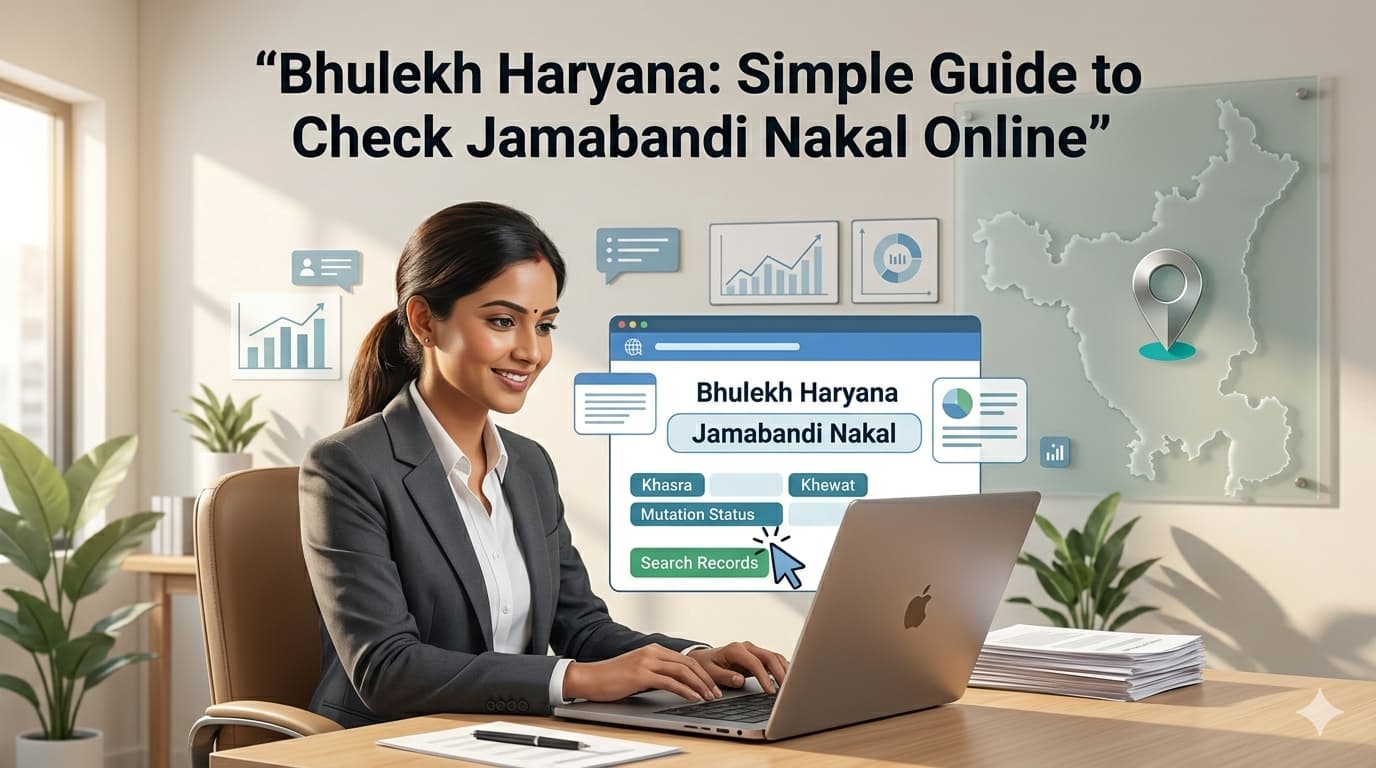
Jamabandi Nakal can be checked by using land details such as district, tehsil, village, Khewat number, Khasra number, or owner name. For Gurgaon land deals, always match the latest Jamabandi record with seller documents and title chain.
What is Khasra number in Haryana land records?
Khasra number is the survey number of a specific land parcel. It helps identify the exact land in a village revenue record. In Gurgaon land transactions, Khasra number is very important for location and ownership verification.
What is Khewat number?
Khewat number represents ownership holding in revenue records. It may include one owner or several co-owners. Before buying land, check the seller’s exact share in the Khewat.
How to check mutation status in Haryana?
Mutation status can be checked using land or deed details. You should verify whether ownership change after sale, inheritance, partition, or gift has been properly updated in the revenue record.
Is RERA registration mandatory for Gurgaon projects?
For projects where RERA applies, registration is important and should be checked before buying. Buyers should verify project name, registration number, promoter details, validity, phase, approvals, and completion timeline.
How to check property tax dues in Gurgaon?
Property tax dues can usually be checked using property ID or property details. Before buying urban property in Gurgaon, ask for latest tax receipt and No Dues Certificate wherever applicable.
What is CLU certificate in Haryana?
CLU means Change of Land Use. It allows land to be used for a purpose different from its original classification, such as converting agricultural land for residential, commercial or other approved use. Buyers should verify CLU where land use conversion is involved.
Can agricultural land in Gurgaon be used for residential purpose?
Not automatically. Agricultural land needs proper permission, land use approval, and compliance with applicable rules. You should not buy agricultural land assuming residential use is allowed unless documents clearly support it.
Should I pay token money before document verification?
No, it is better to complete at least basic document verification before paying token money. If the seller is genuine, they should be comfortable sharing documents for checking. A rushed token payment can create problems later.
Final Word
Gurgaon real estate offers lucrative opportunities; however, every profitable investment requires due diligence. A property may offer an ideal location, top-of-the-line interior fittings, and competitive prices; however, without clean papers, it does not qualify as a sound investment.
Whether purchasing residential property or investing in commercial spaces, one should consider ownership, title deed history, mutation, RERA, CLU, zoning, pending taxes, NDC, litigation, and possession. One should not rely solely on oral commitments. Instead, one should ask for papers, study them carefully, and seek professional assistance wherever necessary.
Planning to purchase property in Gurgaon? Connect with Sapient Realty before making any advance payments or entering into any agreements. Doing a due diligence check now will save you trouble later.